 Editor's pick
Cabria
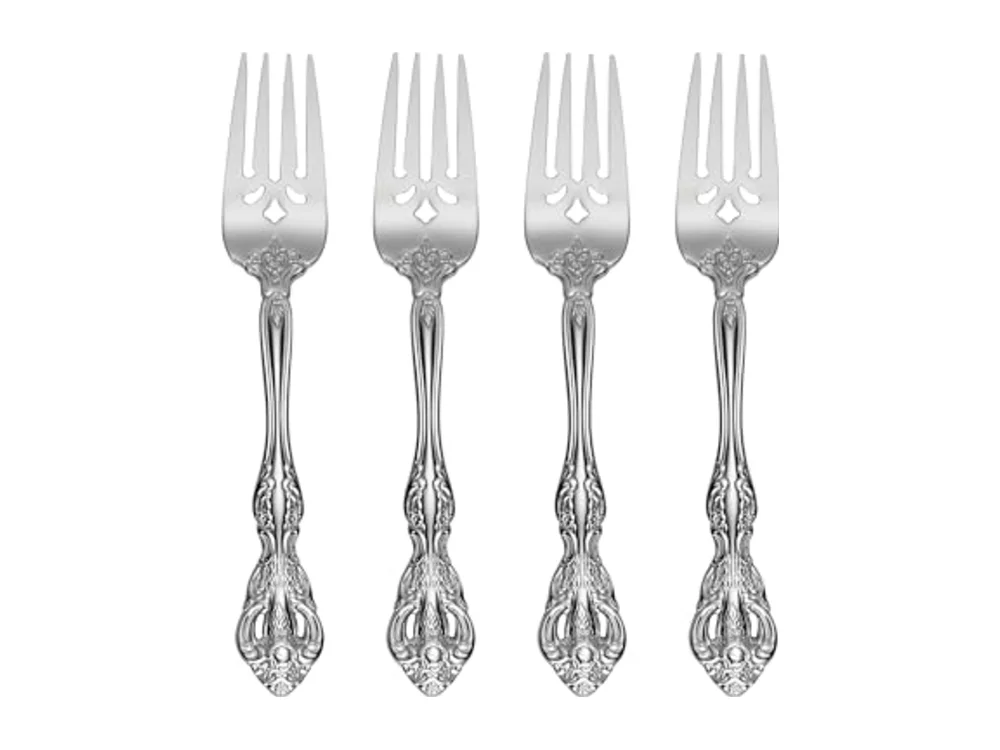
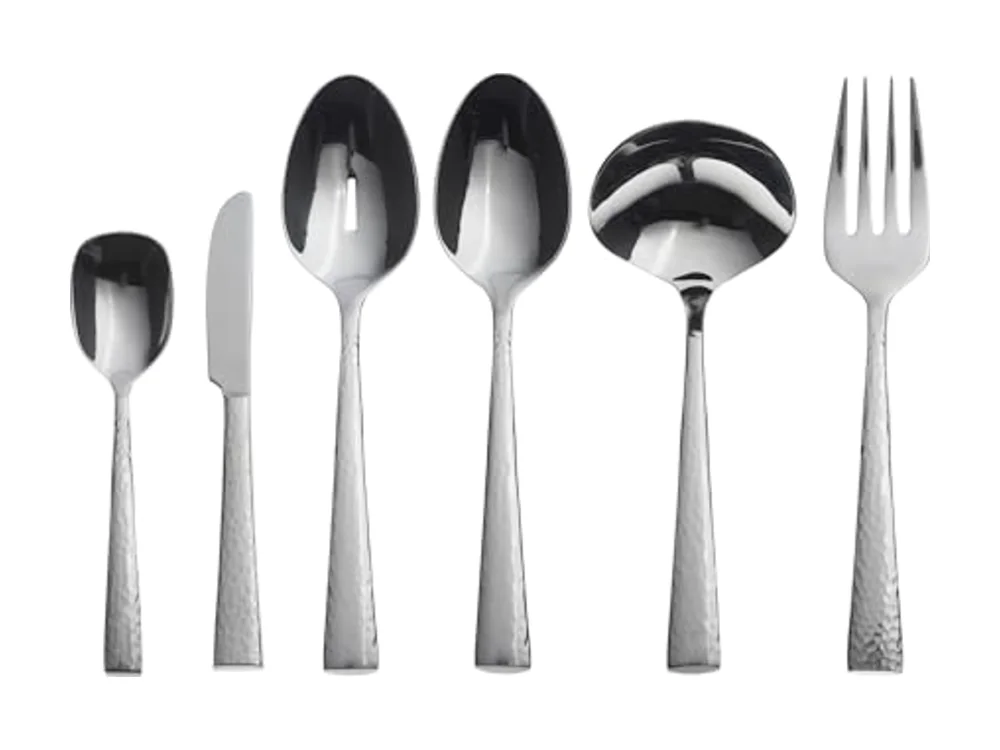
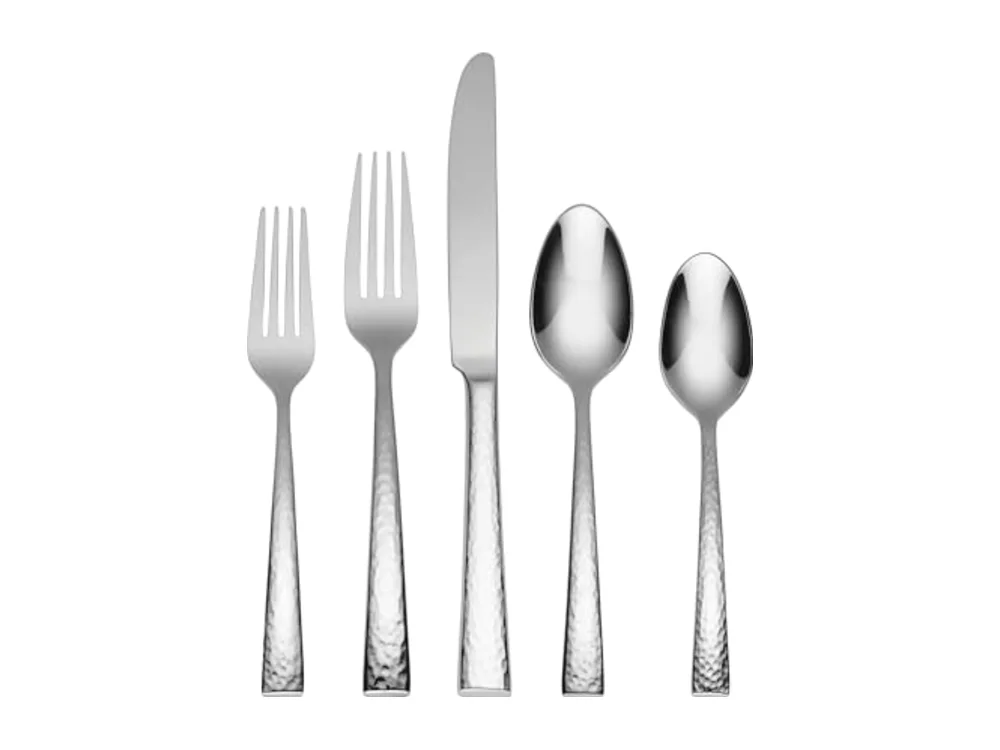
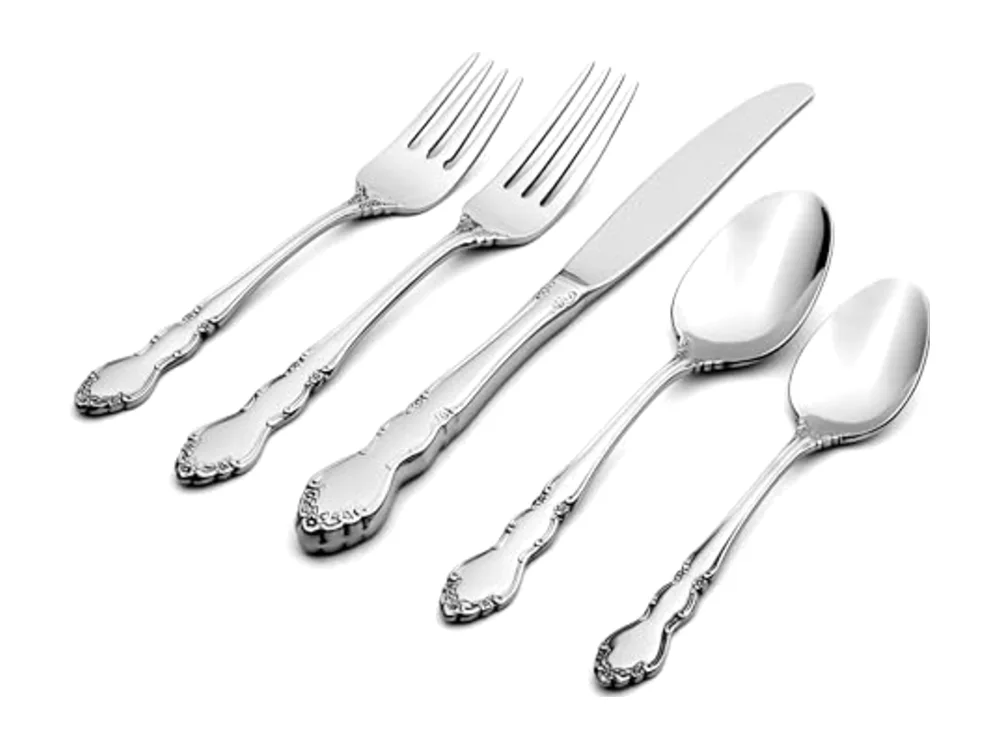
Cabria 45-Piece Fine Flatware Set
Service for 818/10Dishwasher safe
$259.95Free returns
Details
Flatware, serving pieces and dinnerware from a name that started in a communal workshop in upstate New York and ended up in half the kitchen drawers in America.
Editor's pick
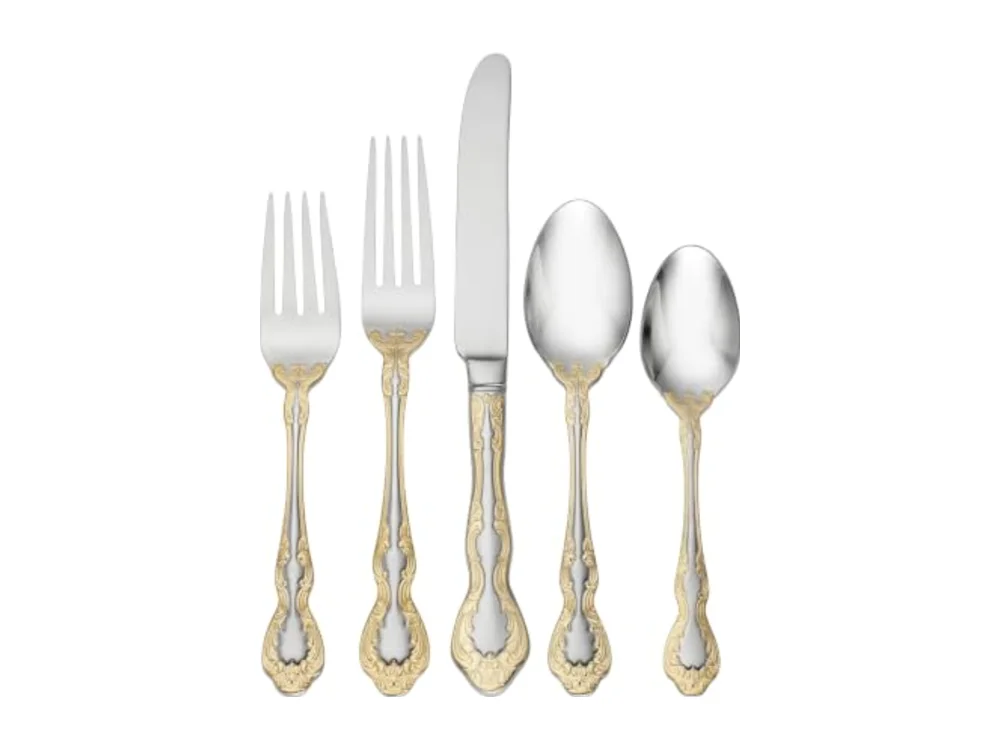 Premium
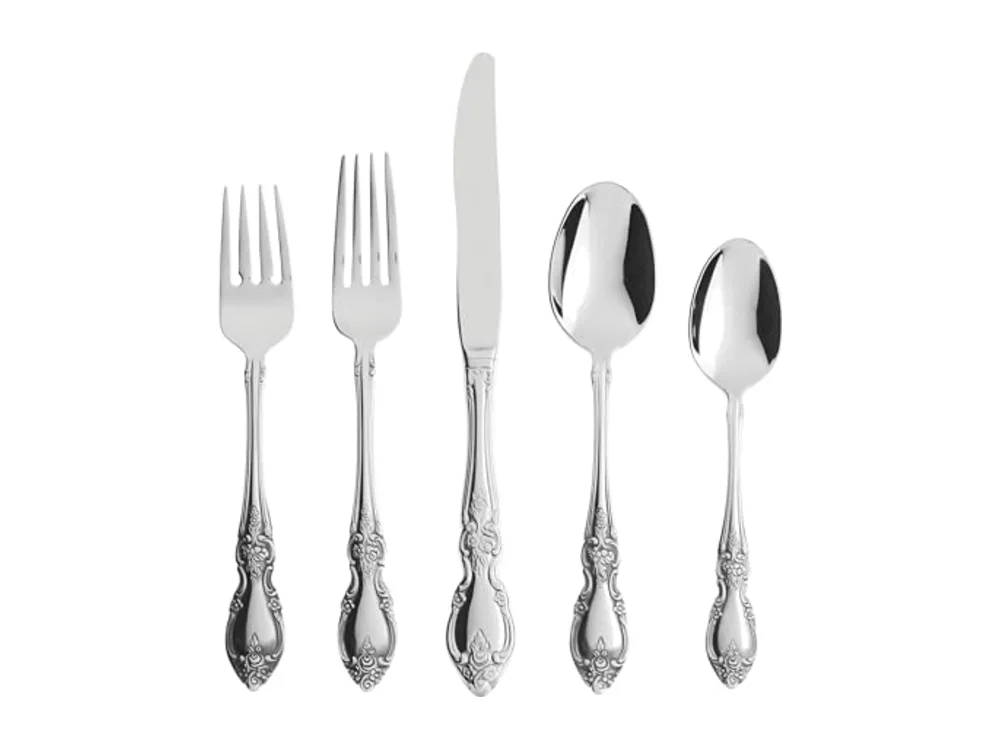 Premium
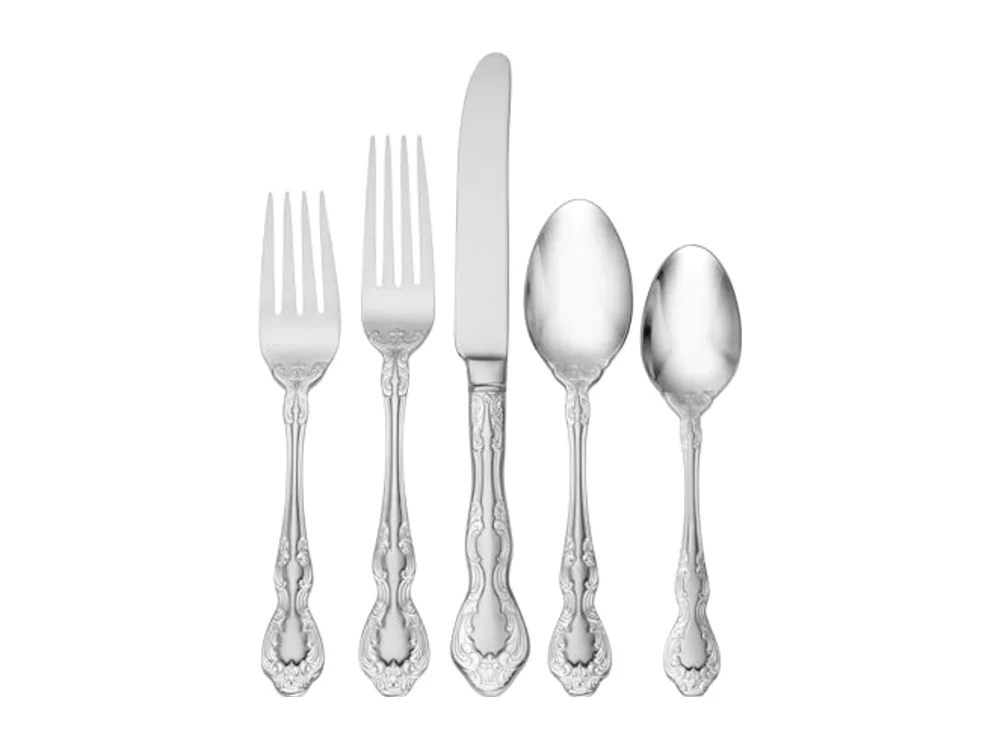 Premium
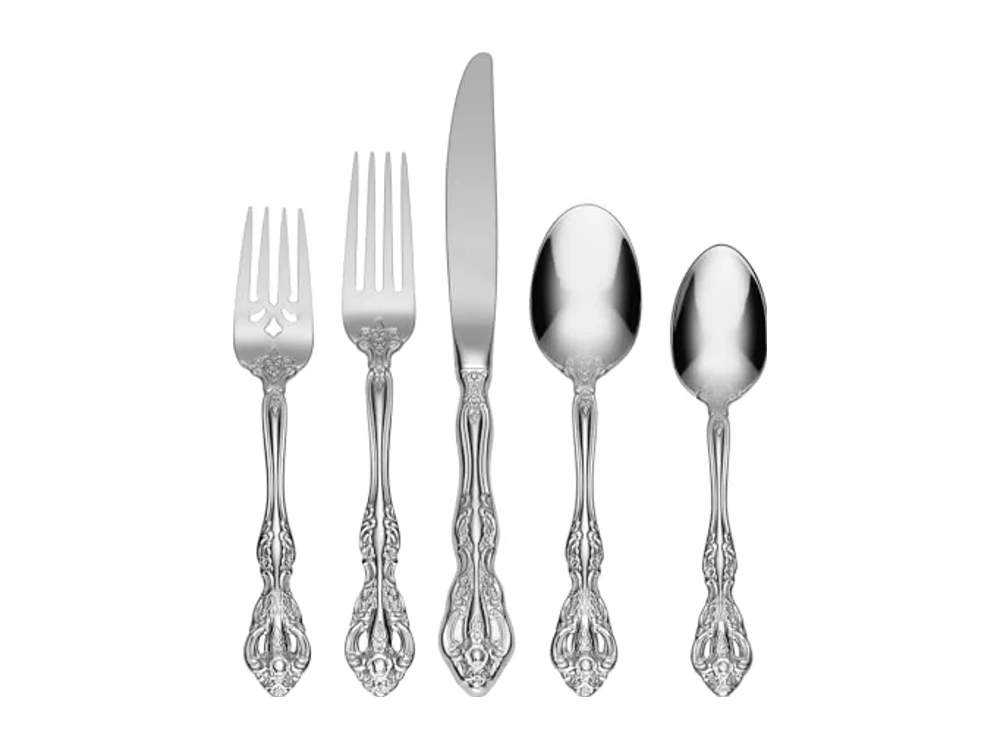 Premium
 Premium
 Premium
 Premium
Almost no consumer brand has a stranger origin. Oneida began as a religious community that held property, work and family in common, funded itself with animal traps and silk thread, and discovered along the way that it was good at making spoons. The commune dissolved in 1880 and left behind a company that, at its height in the 1980s, made at least half of all the flatware bought in the United States.
A group of Christian Perfectionists led by John Humphrey Noyes settles beside Oneida Creek in upstate New York and begins living communally.
After years of animal traps and silk thread, the community turns its metalworking to knives, forks and spoons.
The commune reorganises as a joint-stock company. The utopia ends; the manufacturer begins.
Silver-plated flatware appears under the Community Plate mark, the name that put the company in American dining rooms.
Pierrepont Burt Noyes lays out Sherrill, New York as a town for the workforce, with bonuses for anyone who builds their own house.
Production turns to stainless steel, the material most of the range is still made from.
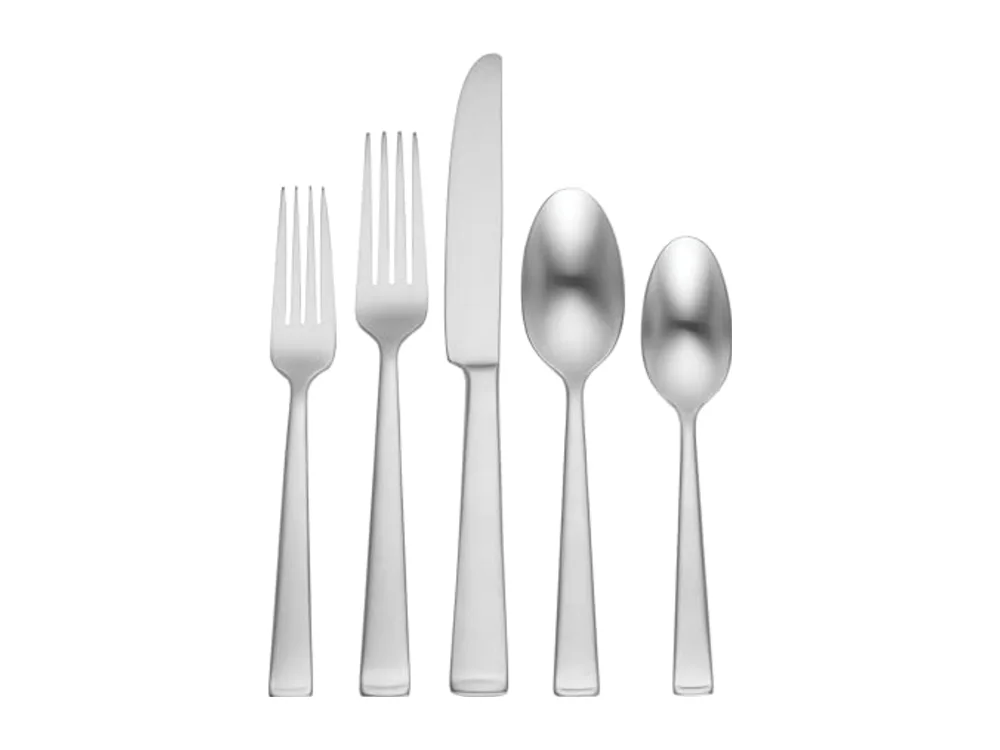
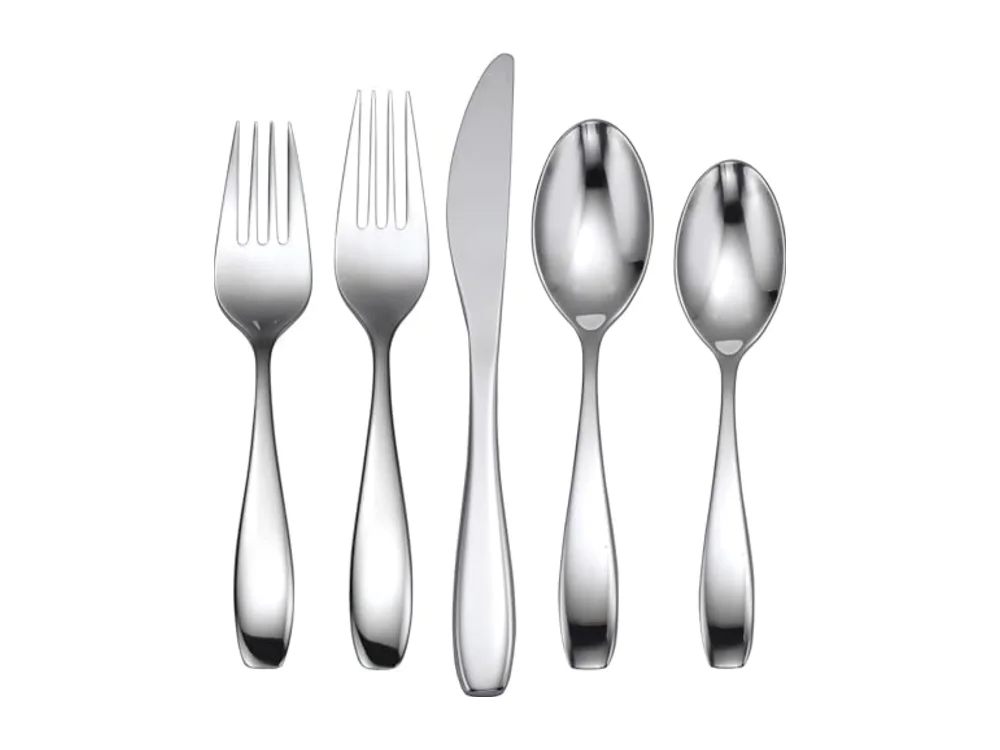
Twelve tables, from a Tuesday breakfast to a service laid for a holiday. Every photograph links to the piece it was shot with.


For most of the twentieth century this happened in Sherrill, New York, in a plant the company built and a town it laid out for the people who worked there. Flatware is a deceptively simple object: five or six operations, each of which decides something you notice every single day at dinner.
Being straight about the present tense matters. Oneida no longer runs its own American factories. Since the bankruptcies of 2006 and 2015 and the sale to Lenox in 2021, the company designs and specifies, and the making is done under contract by plants around the world. The steps below are how the object is made, wherever the machine sits.
A flat blank is punched from a coil of stainless. The alloy is chosen here, and it is the decision that shows up years later as either a bright fork or a pitted one.
The blank is rolled to graduate its thickness: thicker where the handle needs weight, thinner where the bowl or tines need to be worked.
Dies press the pattern and the shape in one strike. This is where a design stops being a drawing, and where the old Sherrill die shop earned its reputation.
Edges are trimmed and the piece is buffed through progressively finer wheels. A mirror finish is simply more passes than a satin one.
Balance, finish and tine alignment are checked by hand. A fork that rocks on the table failed somewhere upstream.
Flatware is sold on pattern and bought on metal. The pair of numbers stamped on the back tells you how much chromium and nickel are in the steel, and that alone predicts how a fork will look after ten years of dishwashers.
18% chromium, 10% nickel. The nickel is what gives it a slightly warmer, softer shine and the best resistance to pitting and staining. It is the alloy most of the fine sets here are struck in, and the one to buy if the set is meant to last decades.
18% chromium, 8% nickel. In practice it behaves so much like 18/10 that the two are often used interchangeably, and many manufacturers label a piece either way.
18% chromium and no nickel. It is magnetic, costs less, and is the sensible pick if somebody at the table reacts to nickel. It stains a little more readily, so it wants drying rather than draining.
A layer of silver electroplated onto a base metal, which is how Community Plate was made from 1899. It gives the depth of real silver at a fraction of the price, and it needs polishing rather than just washing.
Sets are sold by piece count, which tells you almost nothing until you divide it by the number of people. Put in your table and we will work out the count, tell you which set sizes fit, and flag the serving pieces that most sets leave out.
Every one of these is a real brand you will meet while shopping for flatware, and each is genuinely better at something. This is the comparison we would give a friend rather than the one a brand would write about itself.
| Brand | Started | Made today | Alloys offered | Open stock | Best at |
|---|---|---|---|---|---|
| Oneida | 1848 | Contract plants worldwide | 18/10, 18/0, silverplate | Wide | Pattern range and the depth of the back catalogue |
| Liberty Tabletop | 2005 | Sherrill, New York | 18/10, 18/0 | Yes | The only flatware still manufactured in the United States, in Oneida's former plant |
| Lenox | 1889 | Contract plants worldwide | 18/10 | Limited | Formal china and the matching tabletop; now Oneida's parent company |
| Mikasa | 1948 | Contract plants worldwide | 18/10, 18/0 | Limited | Contemporary shapes and coordinated dinnerware |
| Cambridge Silversmiths | 1994 | Contract plants worldwide | 18/0 mostly | Rare | Price, colour finishes and quick trend turnover |
| Hampton Forge | 1998 | Contract plants worldwide | 18/10, 18/0 | Limited | Value sets and a broad catalogue of finishes |
These are the star ratings and review counts recorded against the pieces on this page, read from the listings rather than written by us. We do not publish testimonials, because we have no way to verify who wrote one. Across the 60 pieces we checked, the average sits at 4.5 out of 5 on 17,821 ratings in total.
Dinnerware Set Organic Shades Gray 18-Piece Dinnerware Set sits in the Organic pattern. It sets a table for 6.
Serveware 24 Seven Colors Nesting Bowls With Wood Stand sits in the Seven pattern.
Azalea 45-Piece Everyday Flatware Set with Serving sits in the Azalea pattern. It sets a table for 8.
Led the Christian Perfectionists from Putney, Vermont to a farm on Oneida Creek and set up a community that shared property and labour. The trap works and the silk mill he started paid for the workshop that eventually made spoons.
The son of the founder, raised in the community, who turned an odd inheritance into a modern manufacturer. From 1905 he laid out Sherrill as a town for the workforce and paid bonuses to those who built their own homes in it.
When Oneida left Sherrill, two of its former managers bought the plant and its tooling. They still make flatware in that building today under the Liberty Tabletop name, which makes them the last flatware manufacturer in the United States.
Behind the names, flatware has always been made by four trades that have not changed much since the Sherrill days.
Cuts and maintains the tooling that presses a pattern. A worn die is visible on every piece it stamps.
Blanks, rolls and forms. The station that decides weight and balance.
Takes the piece from raw formed metal to satin or mirror through successive wheels.
Checks balance, alignment and finish before anything is boxed.
Flatware is not a heavily certified category, and anybody selling you a badge wall is stretching. What genuinely applies is a short list: the food-contact rules, the alloy family, the manufacturer's own dishwasher rating and the California disclosure regime. Of the pieces here, 112 state the 18/10 alloy on the listing.
Flatware sold in the United States has to meet the FDA rules for materials that touch food. Stainless in the 18/10, 18/8 and 18/0 grades is a long-established food-contact alloy.
The 18/10 and 18/8 grades correspond to the widely used Type 304 alloy family, the same steel specified for commercial kitchens because of how it handles acid and salt.
Not a certification but a manufacturer rating, and the one people actually check. 280 of the pieces listed here state dishwasher-safe on the listing.
Goods sold into California must warn on listed substances. Plain stainless flatware ordinarily carries no warning, which is itself informative.
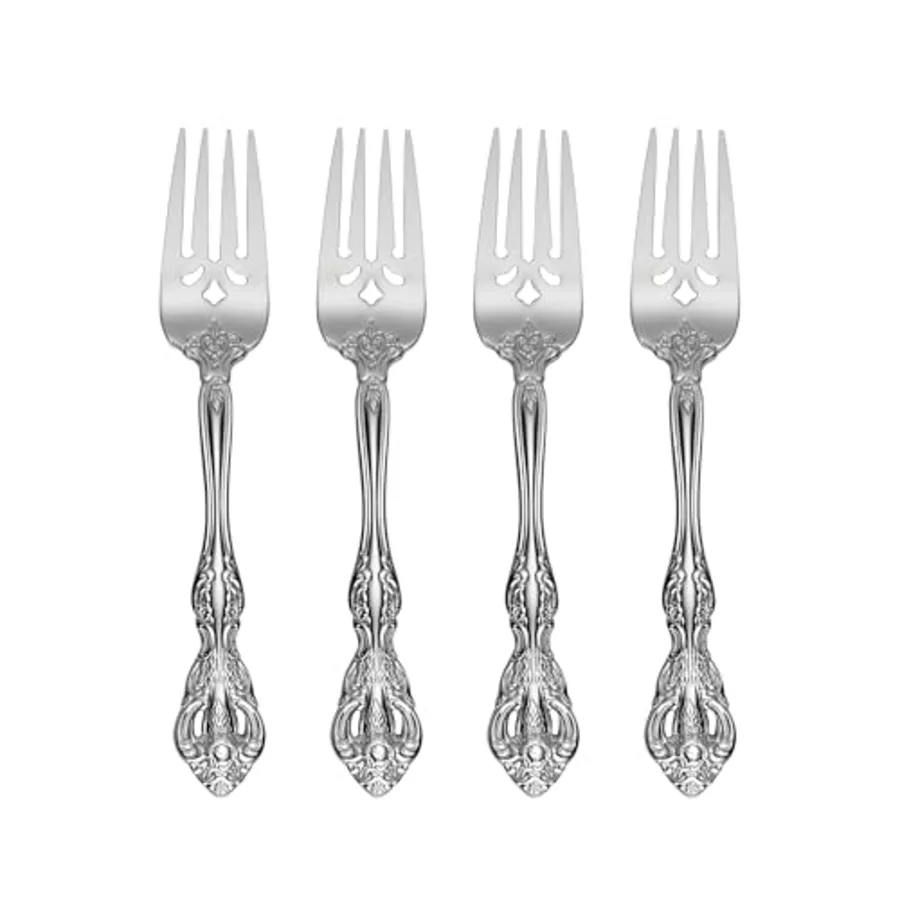
Two digits stamped on the back of a fork predict how it will look after ten years of dishwashers. Here is what they measure, why nickel costs money, and when the cheaper alloy is the smarter buy.
Read it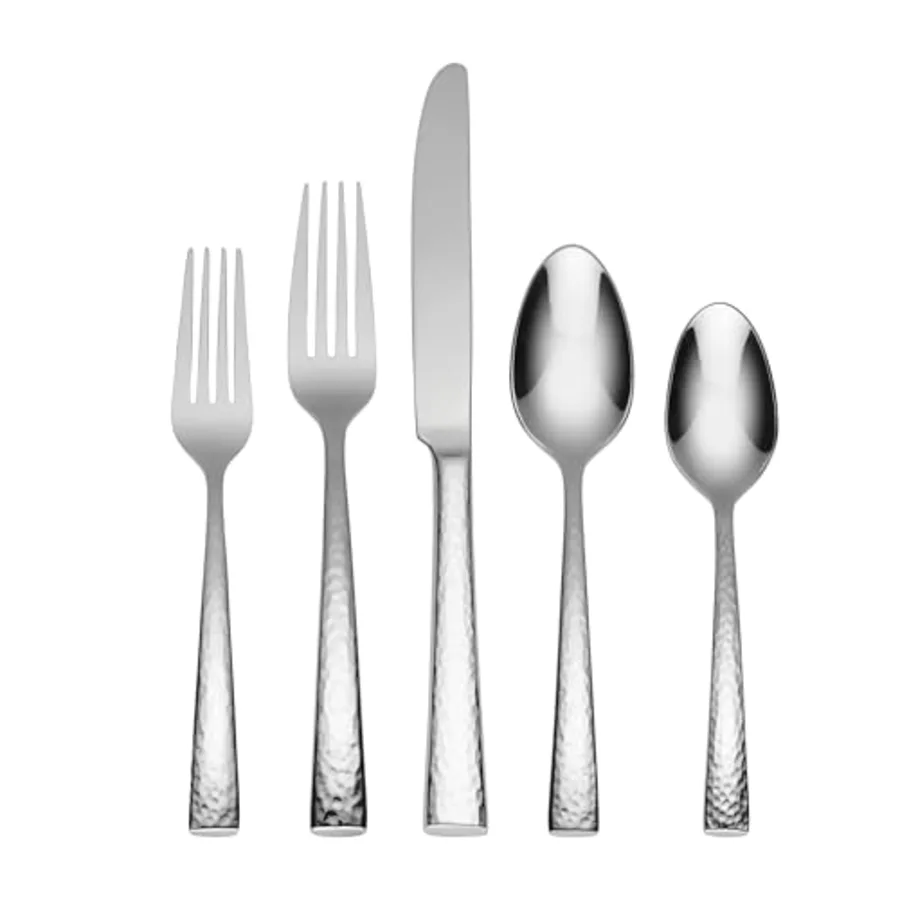
Oneida began as a religious community that shared property, work and family, funded itself with animal traps, and discovered it was unusually good at making spoons. The company outlived the utopia by more than a century.
Read it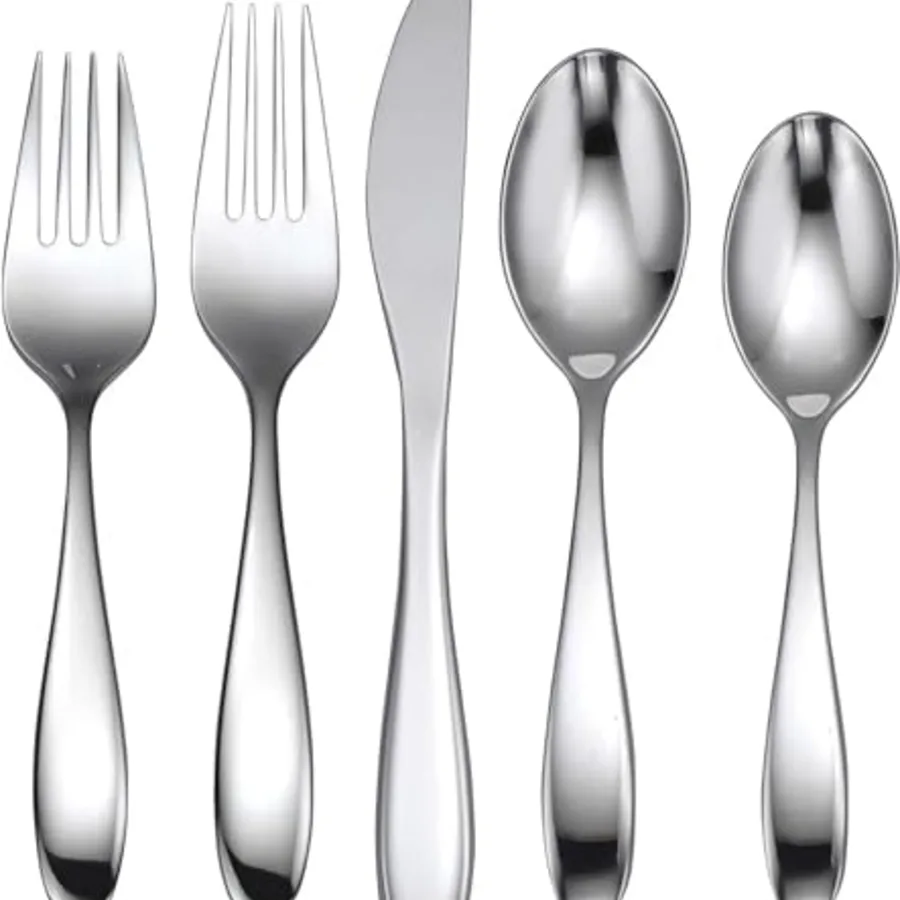
Three settings cover almost every meal anyone hosts. Here is what goes where, why the rules exist at all, and which of them you are safe to ignore.
Read itAlso in the journal: Why good flatware goes dull, and how to stop it · How to buy a flatware set you will still like in ten years
Six questions that narrow 140 patterns down to the handful that suit your table.
OpenWhat 18/10, 18/0 and silverplate mean in daily use, and which one to buy.
OpenDishwasher rules, what pits steel, and how to bring plate back.
OpenHow to match open stock to a service you already own, including inherited ones.
Open